
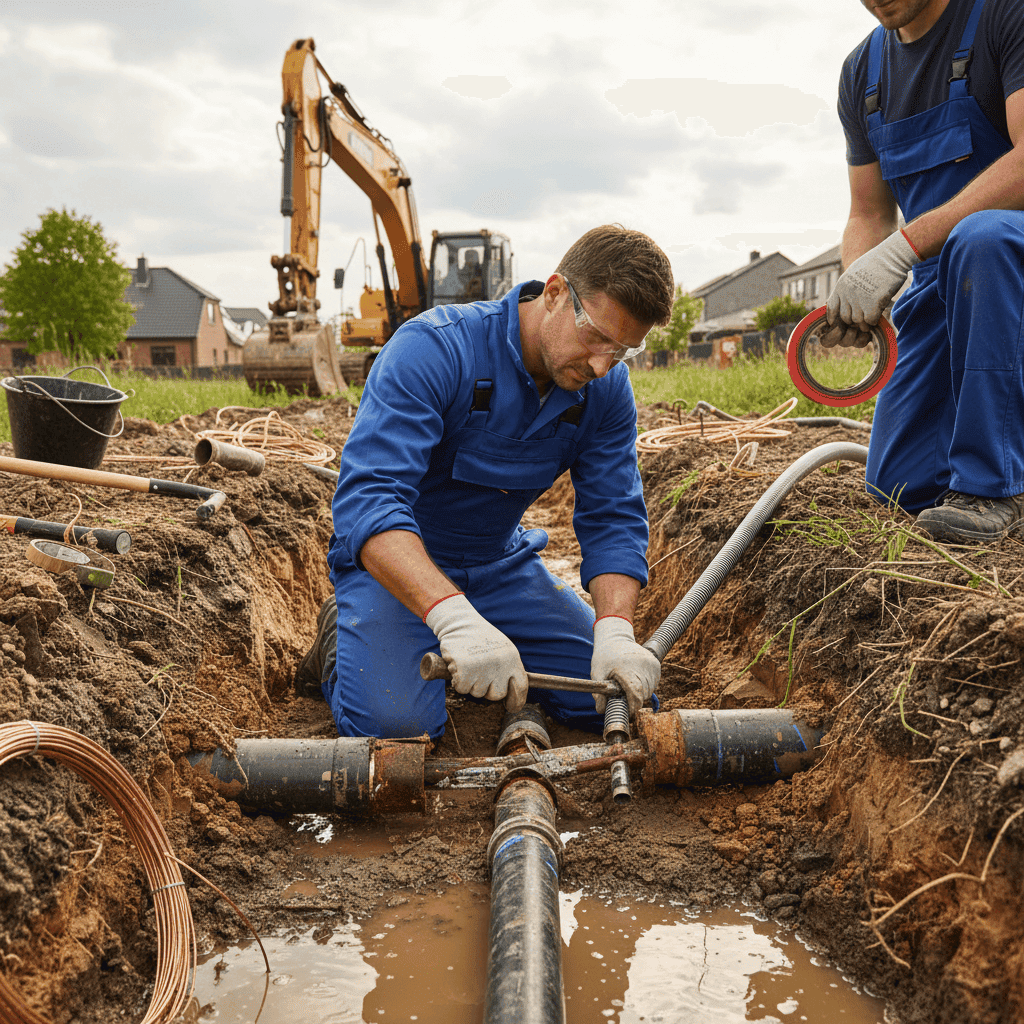
Damaged water pipes cause headaches for homeowners and rarely show up when it’s convenient. One tiny leak can spike water bills, cause mold to grow, wreck floors, and weaken the house’s structure if left alone. Spotting these issues early saves big trouble down the road. Knowing how to handle repairs, whether it’s a quick fix or a permanent solution, puts control back in your hands. Homeowners wanting to protect their investment reap the most benefits from this knowledge. Stick around to discover how to catch pipe problems fast and stop costly damage before it starts.
You will find concrete examples, clear signs to look for, useful tools to have on hand, and a plain spoken review of repair choices. My aim is to make the process less mysterious so you can make sensible decisions and control repair costs while protecting your home.
Common causes of damaged water pipes and what to watch for
Understanding why pipes fail can help you spot trouble early. The most frequent causes include corrosion, freezing, mechanical damage, and poor fittings. Corrosion often shows up in older metal plumbing systems as green or rust colored stains around joints. Freezing is a seasonal risk in colder climates where trapped water expands and cracks pipe walls. Mechanical damage happens when fasteners or nails penetrate a line during remodeling or when tree roots slowly press on underground pipes.
Watch for these signs that damage may already be present
- Unexplained increases in water bills with no change in use
- Soft or discolored drywall or ceilings near plumbing lines
- Constant low level moisture or puddles in the yard
- Sounds of dripping when fixtures are not in use
- Low water pressure in multiple fixtures at once
How to inspect pipes safely at home
Carrying out a basic inspection can reveal obvious problems. Begin by turning off electrical power if you must access areas near wiring. Look in basements and crawlspaces for water stains and use a flashlight to follow pipe runs. In kitchens and bathrooms check under cabinets for wet insulation, rust, or mildew. Outside inspect soil near foundation walls for wet spots that persist after rain.
Tools and items that make inspections easier
- Flashlight with a focused beam
- Simple moisture meter for pinpointing damp areas
- Wrench and pipe tape for minor adjustments
- Protective gloves and safety glasses
When to stop and call a professional
If you find large wet areas, active spraying from a burst pipe, or evidence of structural damage you should stop and contact a trained plumber. Small pinhole leaks are often manageable as a DIY temporary fix but full replacements and concealed leaks under slabs require specialized equipment and experience.
Temporary fixes that prevent further damage until a full repair
Temporary measures can reduce damage while you arrange a permanent solution. A patch can be a short term lifesaver and avoid emergency water shutoffs that disrupt households. Here are methods commonly used when a quick response is needed
- Wrap a rubber patch over the leak and clamp it with a hose clamp
- Use threaded pipe repair couplings for small straight sections
- For hairline cracks use epoxy putty rated for plumbing once the pipe is dry
- Shut off water to the damaged section with a local valve if available
These approaches buy time but are not substitutes for a permanent solution. For instance placing an epoxy patch on a corroded fitting may hold for months or years depending on water pressure and the amount of corrosion. Use temporary repairs to stop immediate water loss and schedule a full repair once you have a plan.
Professional repair options explained
When a temporary patch is not enough the main professional choices are repair of the existing pipe, partial replacement of the damaged section, or a complete reroute. The right selection depends on pipe material age location and extent of damage. A professional plumber will evaluate access to the line and the long term risks of a simple repair versus replacement.
Local companies often publish service pages with details about methods and warranties for work such as sealing joints replacing sections or full line replacement. For example local specialists in Sugar Land offer targeted services for aging systems and emergency calls for sudden failures which helps homeowners plan next steps and budget accurately. If you want a starting point for professional help use this link to find options near you pipe repair
Trenchless repairs and when they make sense
Trenchless methods require less digging and can be a cost effective choice for certain underground mains. Two common approaches are pipe lining and pipe bursting. Lining involves inserting a cured resin sleeve inside the existing pipe that creates a new smooth interior wall. Bursting replaces the old pipe by pulling a new pipe through while breaking the old one apart. These methods limit landscape disruption but are not suitable for every layout or every kind of damage.
Traditional excavation and replacement
Excavation and replacement will be necessary when damage is extensive or when the pipe material is beyond saving. This method gives the plumber full access to joints and allows inspection of surrounding soil or building components. It may be more invasive but it is the most thorough long term fix for severe issues.
Costs to expect and how to budget for repairs
Costs vary widely depending on the job size location and pipe material. Minor repairs can be done for under a few hundred dollars. Partial section replacements often range from several hundred to a few thousand. Full line replacements and difficult excavations can run into multiple thousands of dollars. Trenchless solutions usually sit in the mid to high range but can save on landscaping and restoration expenses.
Tips for managing cost
- Get at least two written estimates that list labor materials and cleanup fees
- Ask about warranty coverage and what it includes
- Discuss phased repairs where immediate risks are handled first and non urgent work is scheduled later
Preventive actions that reduce future pipe damage
Preventive measures save money and headaches. Regular inspections catch small problems before they grow. Replace old galvanized steel or cast iron lines in stages rather than waiting for a catastrophic failure. Insulate exposed pipes in unheated spaces to protect against freezing. Keep trees planted at a safe distance from sewer and water mains to limit root related issues. Finally install accessible shutoff valves in strategic locations so a single localized failure can be isolated quickly.
Example maintenance checklist you can follow once a year
- Check under sinks and around appliances for signs of leaks
- Exercise shutoff valves to keep them from seizing
- Inspect visible outside lines for frost damage or cracks
- Have a plumber perform a camera inspection of main lines once every decade on older homes
Practical tips for DIY minded homeowners
If you plan to do small maintenance or handle a temporary repair yourself take a cautious approach. Turn off the water and verify the line is not under pressure before cutting or applying tape. Choose materials rated for potable water for supply lines and use plumber approved compounds on threaded connections. Keep a basic kit that includes pipe tape a couple of hose clamps a spare length of pipe and a roll of emergency repair tape. This kit lets you control leaks until you can schedule more thorough work.
When tackling a project remember that time spent preparing with the right fittings and measuring carefully prevents wasted purchases and returns. Simple planning can make a weekend repair go much more smoothly.
Repairing damaged water pipes requires a mix of quick action and thoughtful planning. Early detection lowers the odds of major repairs and hidden damage. Temporary fixes serve a useful role but plan for a lasting solution when possible. Get clear estimates compare methods and weigh landscape disruption against long term reliability. If you are unsure about hidden damage or if the line is under a foundation or slab call a trained plumbing professional to evaluate options.
When you are ready to move forward start by documenting what you found during inspection take photos and collect bids from reputable providers. Good providers will explain the steps they recommend and offer a warranty for parts and labor. Taking these steps helps protect your home and your budget.